Discover
Explore shelves curated by readers
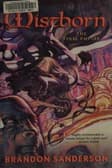
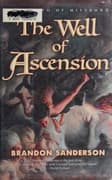
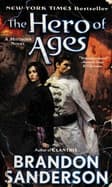
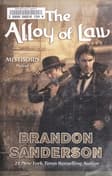
Mistborn, both eras in order
Two trilogies, one long con against a god-emperor and the people who inherit the mess he left. Read Era One first - Era Two spoils its ending on page one otherwise.
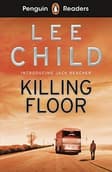
Jack Reacher, where the series starts
Reacher's first great run, cover to cover, in the order Lee Child wrote them. Later books work fine picked up out of sequence - these opening twelve don't ask you to.
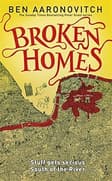
Rivers of London, in order
A Metropolitan Police constable who can also arrest a ghost, if the paperwork allows for it. Publication order is the right order - the magic system and Peter's world both build book by book.
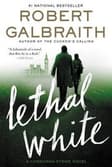
Cormoran Strike, in order
A one-legged war veteran turned private detective and the assistant who becomes his partner. Best read in order - the relationship is the spine, the cases are the ribs.
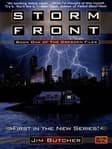
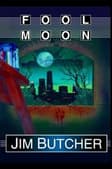
The Dresden Files, in order
Chicago's only wizard for hire, in a series that starts as monster-of-the-week and slowly turns into one enormous plan. Publication order, no skipping - book three is where it stops being optional.
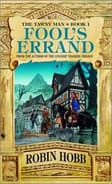
The Realm of the Elderlings, Fitz's story in order
Robin Hobb wrote six connected trilogies in this world - this is the direct line through Fitz's life, start to finish. The Liveship Traders and Rain Wild books run alongside it and reward you once you know him.
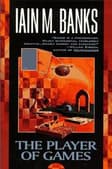
Where to start with the Culture
The Culture books share a universe, not a plot - you can read them in almost any order. This is the order that eases you in without giving away the best surprises later.


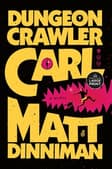
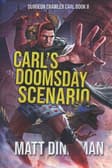
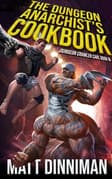
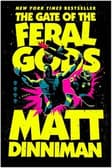
Dungeon Crawler Carl, in order
A man, his ex-girlfriend's cat, and a dungeon run by a game show that hates humanity. Read it straight through - it's one long escalation.
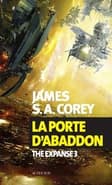
The Expanse, in order
Solar system politics, a plague from beyond, and a crew that keeps getting pulled back in. Publication order is chronological order here - no puzzle to solve, just read it through.

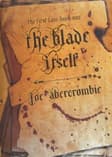
The First Law world, in order
Three trilogies, one increasingly unpleasant world. Publication order is the right order - the standalones matter more once you already know who's telling you they matter.
Red Rising, start to finish
One continuous story across two trilogies. Read it in publication order, no exceptions - the second trilogy is written assuming you feel everything the first one cost.
The Vorkosigan Saga, in order
Bujold's own preferred path: internal chronological order, not publication order. Start with the parents' story before their son takes the series entirely over.
Earthsea, in order
Six books across four decades, and Le Guin kept quietly revising what the story was for. Publication order lets you feel her rethink the world's assumptions in real time.
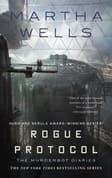
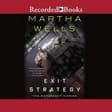
The Murderbot Diaries, in order
A security android that hacked its own governor module just to watch soap operas in peace, and now can't stop getting dragged into saving the humans it's meant to protect. Publication order doubles as story order here.
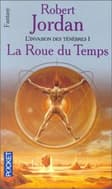
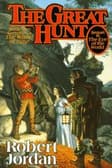
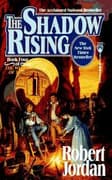
The Wheel of Time, in order
Fourteen books, one story. Read in publication order - it's the order Jordan wrote it in, and the order Sanderson picked it back up in after him. New Spring (the prequel) is worth saving for after book 5, once you know who you're meeting.
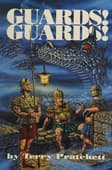
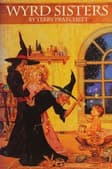
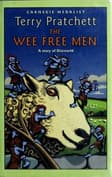
Where to start with Discworld
Forty-one books, five ways in. Discworld isn't one story - pick the door that suits you and the rest of the city opens up from there.